The Allure of Chance
The excitement of casino games often begins with the unpredictability of chance. Players are attracted by the thrill of potentially winning big, which can lead to an exhilarating experience. This attraction is deeply rooted in human psychology; the brain releases dopamine, a neurotransmitter linked to pleasure and reward, when we engage in activities involving risk. For those looking to explore their options, uk casino sister sites provide a variety of choices that enhance the gaming experience. This rush of dopamine not only reinforces the behavior but also creates a loop where players are drawn back for more. The celebration of wins reinforces the desire to play again, even if the odds are stacked against the player from the outset.
The allure of chance is further explained through the concept of variable reinforcement. Unlike predictable outcomes, the random nature of gambling keeps players on edge. Each spin of the roulette wheel or shuffle of the deck feels thrilling, as players can never quite predict when luck might turn in their favor. This element of uncertainty creates a mix of hope and anticipation, compelling players to engage repeatedly. For many, the prospect of winning overshadows the rational understanding of the odds, leading to a continuous cycle of play.
Additionally, the atmosphere in casinos significantly enhances this allure. Bright lights, engaging sounds, and the buzz of excitement from fellow players create an environment that is both captivating and stimulating. This sensory overload not only draws players in but also amplifies their emotional state, making the gambling experience feel even more electrifying. As casinos transform into playgrounds of chance, players become engrossed in the moment, which encourages them to return time and time again.
The Role of Cognitive Biases
Cognitive biases are mental shortcuts that can lead to irrational decision-making. Within the realm of casino games, several biases come into play, such as the illusion of control and the gambler’s fallacy. The illusion of control refers to the belief that players can influence the outcomes of games through their actions. This phenomenon is particularly evident in skill-based games where many players mistakenly think their strategies can ensure victory despite the randomness inherent in the game. Such misconceptions can lead to prolonged play as individuals chase their perceived ability to control the odds.
Conversely, the gambler’s fallacy is another cognitive bias that heavily influences player behavior. This fallacy is the belief that past events can affect future probabilities in independent games. For instance, a player may think that a series of losses makes a win more likely. This misconception can encourage players to continue investing in games, despite the lack of any rational basis. Both the illusion of control and the gambler’s fallacy perpetuate the gambling cycle, resulting in increased wagers and often significant losses.

Moreover, casinos strategically exploit these cognitive biases through targeted marketing strategies and game design. They frequently showcase stories of winners and display enticing jackpot amounts to cultivate an atmosphere of hope and possibility. This marketing tactic preys on players’ cognitive biases, making them more likely to believe they could be the next big winner. By understanding these psychological tendencies, casinos effectively draw players into cycles that are often counterproductive and potentially harmful, yet irresistibly enticing.
The Impact of Social Dynamics
The social dynamics of casino games play a crucial role in influencing player behavior. Many individuals visit casinos not just for the thrill of gaming but also for the social experience that comes with it. Interactions with other players can enhance enjoyment and foster a sense of belonging. This social element can elevate the emotional stakes involved in games, as players share triumphs and setbacks, forming bonds with those they gamble alongside. The communal environment in a casino creates camaraderie, where players encourage one another and collectively celebrate wins.
Moreover, casinos are designed to promote social interactions through their layout. Many establishments feature open spaces that facilitate direct engagement among players. This design promotes socialization, transforming gambling into a shared experience. When a game becomes more social, it feels more immersive and engaging, compelling players to stay longer and gamble more. In this setting, the stakes extend beyond financial risk; the social connections formed also enhance the overall experience and encourage repeat visits.
However, the social dynamics can also lead to peer pressure, compelling individuals to gamble more than they might otherwise choose. The fear of missing out or the desire to fit in can drive players to exceed their limits, resulting in harmful financial consequences. This pressure can be particularly intense among groups of friends, where the desire to keep up with others may lead to irrational spending. Understanding these social dynamics is vital for both players and casinos, as they profoundly shape the gaming experience.
The Influence of Game Design
The design of casino games is pivotal in shaping player experiences and driving engagement. Game mechanics, such as bonus rounds, progressive jackpots, and interactive features, are meticulously crafted to keep players invested. These features are intended to maximize excitement and prolong gameplay, thereby increasing the likelihood of continued betting. For example, games that offer frequent small wins create a sense of achievement, encouraging players to keep playing with the hope of hitting something larger. This design strategy effectively utilizes behavioral psychology to enhance the overall gaming experience.
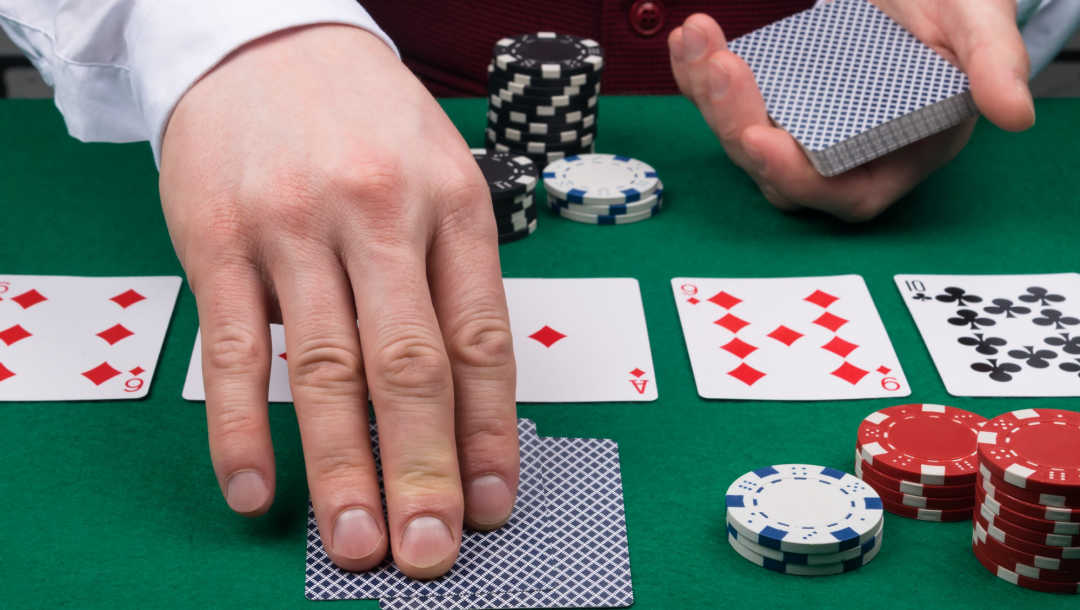
The visual and auditory elements in game design are also critical in keeping players engaged. Bright colors, appealing graphics, and captivating sound effects contribute to a stimulating environment that fascinates and captivates. Each spin of a reel or flip of a card is often accompanied by sounds that heighten emotional responses, leading players to associate enjoyment with the act of playing. This careful orchestration of sensory experiences is crafted to create an immersive environment where players feel compelled to continue their engagement with the games.
Casinos are acutely aware of how game design influences player behavior, leading to ongoing innovation within the industry. New games are frequently developed based on data-driven insights into player preferences and tendencies. This continual evolution allows casinos to maintain player interest and keep their offerings fresh and exciting. The intersection of psychology and game design creates an engaging experience that is remarkably difficult to resist, drawing players back to the tables and machines repeatedly.
Understanding Online Gaming Platforms
The rise of online gaming platforms has revolutionized the casino experience, introducing new psychological dimensions to the gaming landscape. Players can now access a vast array of games from the comfort of their homes, altering how individuals interact with gambling. The convenience of online gaming eliminates barriers typically associated with traditional casinos, such as travel and social pressure. This accessibility can lead to increased playtime and higher risks of gambling-related issues, as players may engage without the usual checks and balances present in physical locations.
Furthermore, online gaming platforms have integrated social features to retain the communal aspect of gambling. Players can interact through chat functions and participate in live dealer games, which simulate the social interaction found in traditional casinos. Although this helps maintain a sense of community, it can also encourage players to gamble more, as they are influenced by the actions and enthusiasm of others in real-time. The social dynamic remains present in online platforms, significantly impacting player behavior in ways similar to physical casinos.
Importantly, online gaming platforms utilize sophisticated algorithms to analyze and predict player behavior, enabling them to tailor experiences and keep players engaged for extended periods. This personalized approach can lead to increased spending, as targeted promotions and game suggestions draw players deeper into the gaming ecosystem. The intersection of technology, psychology, and gambling is reshaping the industry, underscoring the importance of awareness regarding the psychological aspects of online gaming.