The Psychology of Gambling
Casinos are intricately designed spaces that engage players on multiple psychological levels, creating an environment that encourages prolonged play. Various elements are strategically incorporated to stimulate excitement and anticipation, which are vital for maintaining player interest. For example, vibrant colors, ambient sounds, and visually appealing displays create an immersive atmosphere. In this context, some players may feel inclined to explore options like casino rocket sign up to enhance their gaming experience. This sensory stimulation can lead to a unique state of exhilaration, drawing players into a world that feels both thrilling and rewarding, ultimately prompting them to stay longer.
Additionally, gambling activates the brain’s reward pathways, triggering the release of dopamine, known as the pleasure neurotransmitter. When players win, even if the amount is modest, this chemical response reinforces a desire for continued play. Casinos leverage this psychological principle to design their games and environments, ensuring that players continuously chase the euphoric feeling associated with winning. This cycle of reward and anticipation cultivates an environment that keeps players engaged for extended periods.
The concept of loss aversion further enhances casino design. Studies indicate that individuals are more driven to avoid losses than to seek gains. Understanding this, casinos create environments where players feel compelled to continue gambling to recoup their losses. This strategy can result in players remaining at tables or slot machines far longer than they initially intended, thereby capitalizing on their psychological tendencies. By implementing these principles, casinos successfully create an environment rife with urgency, compelling players to keep trying their luck.
The Role of Game Design
The structure of casino games plays a crucial role in maintaining player engagement. Slot machines, for instance, are engineered with intricate mechanics designed to appeal to both novice and seasoned gamblers. They frequently feature engaging themes, bonus rounds, and progressive jackpots, all of which enhance the game’s allure. These elements not only add layers of excitement but also promote a sense of community among players, especially in crowded gaming areas, thereby encouraging prolonged engagement through social interaction.
Unpredictability is another vital aspect of game design. Many games utilize random number generators, creating an element of chance that captivates players. This uncertainty is enticing, as players are often drawn in by the possibility of hitting a significant win. Casinos skillfully manipulate odds to create an illusion of favorable conditions, encouraging players to remain hopeful and engaged. This deliberate design keeps players invested in the experience, often leading them to stay longer than initially planned.

Moreover, the concept of near misses—a situation where players come close to winning but ultimately do not—serves to prolong engagement. These near misses elicit excitement and keep players motivated, as they feel they were almost successful. By integrating these game design principles, casinos cultivate an appealing atmosphere that encourages players to keep spinning the reels or rolling the dice, enhancing their overall gambling experience.
The Atmosphere of the Casino
The ambiance within a casino is meticulously crafted to foster euphoria and distraction. Upon entering, guests are enveloped in a sensory-rich environment filled with dazzling lights, lively music, and enticing aromas. This atmosphere is intentionally designed to overwhelm the senses and promote a sense of escapism. Furthermore, the absence of clocks and windows strengthens this design philosophy, allowing players to lose track of time and become fully engrossed in the gaming experience.
The layout of a casino is also deliberately planned to motivate players to explore and engage with various gaming options. Casinos often feature winding paths that lead guests to stumble upon new games or promotions they may not have initially considered. This design choice not only keeps players engaged with new options but also fosters a social environment where individuals can interact in shared spaces, enhancing the overall gaming experience.
Sensory elements extend beyond visuals and sounds; tactile experiences, like the feel of chips or the vibration following a win, significantly contribute to the emotional highs associated with gambling. These physical sensations amplify the immersive environment, ensuring players feel completely absorbed. Consequently, the casino atmosphere maintains a continuous flow of excitement, compelling individuals to stay engaged for extended periods, often longer than they may have intended.
The Incentives to Stay Longer
Casinos implement various incentive strategies designed to encourage players to prolong their visits. One widely used method is the loyalty program, which rewards frequent players with points that can be redeemed for an array of perks, including complimentary meals, hotel stays, and even cash bonuses. By creating a system that values continued patronage, casinos cultivate a deeper emotional and financial investment among players, increasing the likelihood of their return.
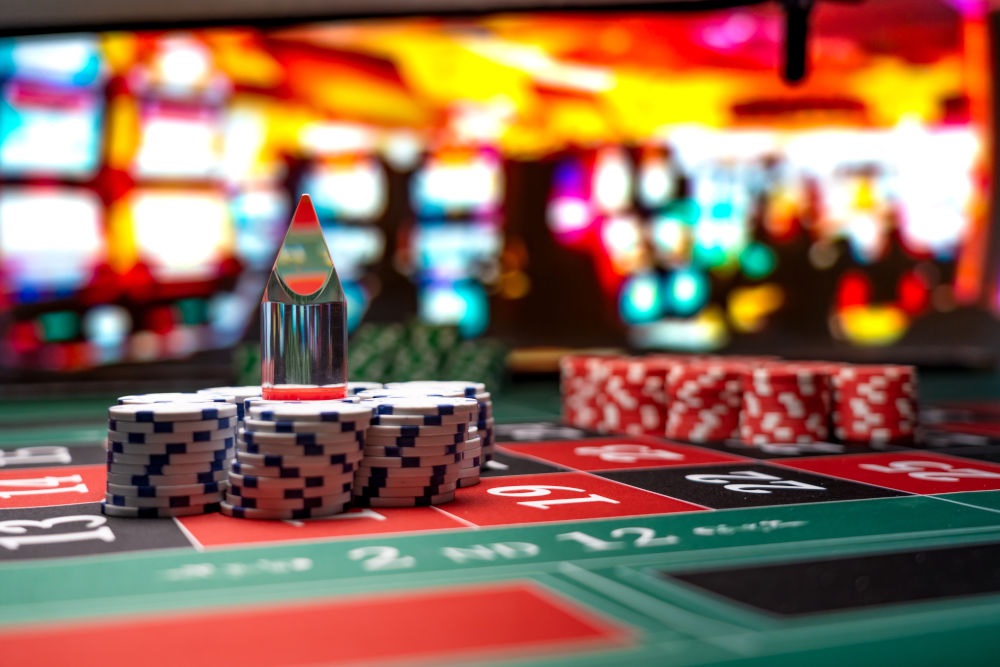
Another tactic involves offering complimentary beverages and meals while players gamble. This practice contributes to a relaxed atmosphere where players feel spoiled, effectively blurring the lines between their gambling budget and other expenditures. By providing these complimentary incentives, casinos encourage players to stay longer, as they perceive their time as being rewarded, which can lead to increased spending on games.
Additionally, hosting special events or tournaments serves to draw players in and maintain their interest. These gatherings nurture a sense of community and competition, making it appealing for players to participate. The chance to win larger prizes or to be part of a prestigious event can motivate individuals to spend more time at the casino. Through these various strategies, casinos successfully create an environment where players feel compelled to remain engaged and immersed in the gaming experience.
The Role of Websites in Casino Engagement
In today’s digital era, casinos have extended their reach through online platforms, which are designed to sustain player engagement. These websites serve as virtual extensions of the casino experience, offering games, promotions, and loyalty programs. The online interface is meticulously crafted to replicate the physical casino environment, complete with engaging visuals, sound effects, and live dealers to maximize player immersion. This digital presence provides players with the convenience of enjoying their favorite games anytime, anywhere, ensuring that the casino experience remains accessible and enticing.
Furthermore, online casinos employ similar psychological principles to keep players engaged. Features such as gamified rewards, instant notifications about promotions, and quick access to various games create a sense of excitement and urgency, mirroring the thrill of being in a physical casino. With the widespread use of mobile devices, players can access these platforms without leaving their homes, making it easier than ever to engage with their favorite games for extended periods.
Ultimately, the integration of physical and online casinos provides a seamless experience for players, reinforcing the strategies developed to keep them engaged. The effectiveness of these methods highlights how casinos, whether in-person or online, are dedicated to crafting environments that prioritize player retention and enjoyment. Understanding these practices enables players to be more mindful of their gambling habits, allowing them to make informed choices regarding their time and expenditures.